Iran Conflict Squeezes India's Gas Power Supply Amid Record Summer Demand
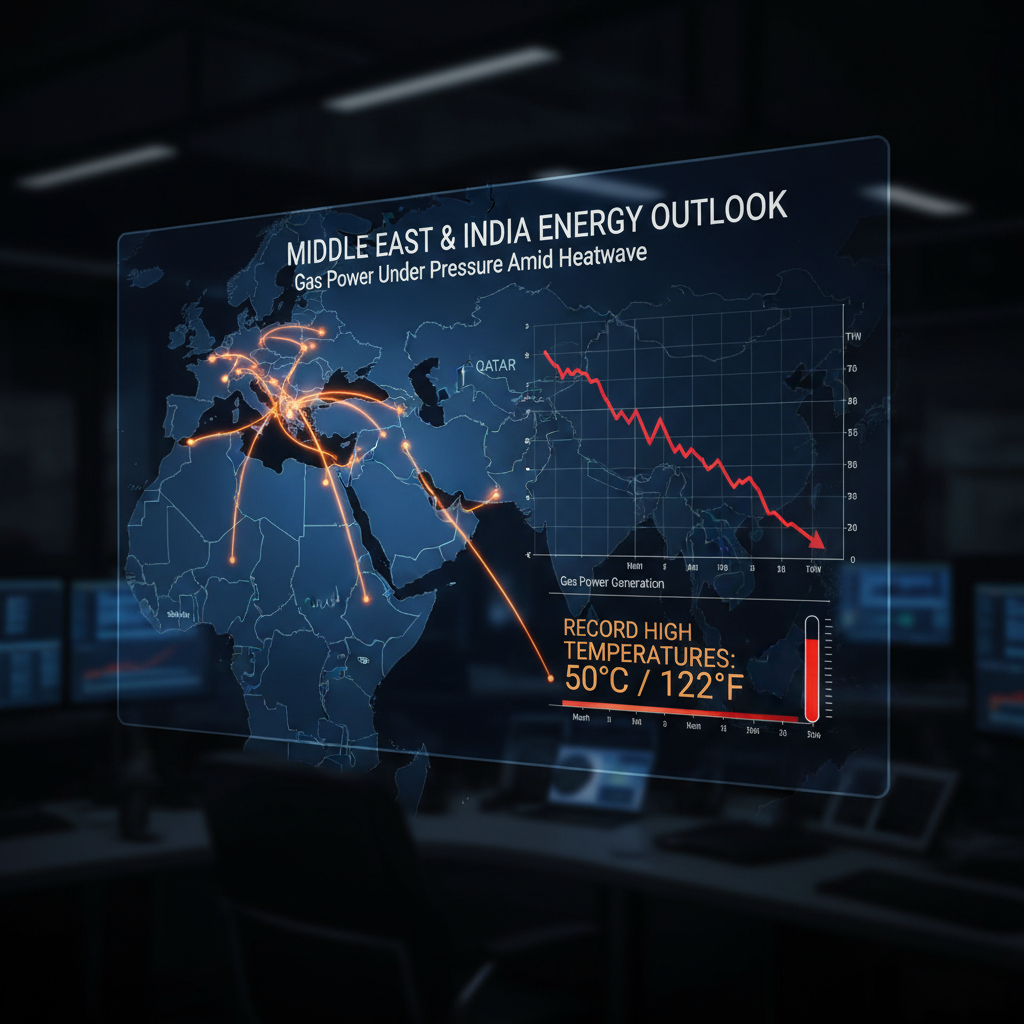
India's gas-fired power generation has fallen to a six-year low as geopolitical tensions disrupt fuel shipments during a record-breaking summer heatwave.
Iran Conflict Squeezes India's Gas Power Supply Amid Record Summer Demand
India's energy sector is facing a severe crisis as gas-fired power generation has plunged to its lowest level in at least six years. The decline comes as geopolitical conflict involving Iran disrupts critical fuel shipments, leaving the world's most populous nation struggling to meet record-high electricity demand driven by an intense summer heatwave.
The squeeze on fuel imports has severely constrained India's gas-based power plants. This supply shock coincides with scorching temperatures across the country, which have pushed electricity grids to their limits as households and businesses ramp up air conditioning use. The disruption highlights the vulnerability of emerging economies to geopolitical shocks in the Middle East, forcing India to manage a delicate balance between energy security and economic stability.
The energy crunch in India reflects broader commodity and economic challenges currently rippling through global markets. In Africa, Guinea—the world's largest bauxite producer—is preparing to implement strict export controls in June to bolster prices of the aluminum precursor. Meanwhile, Nigeria's economic growth slowed in the first quarter of the year, weighed down by a deceleration in both its oil and non-oil sectors.
As global supply chains face mounting pressure from war and protectionist policies, policymakers are finding themselves with limited options. In Europe, the Czech Republic's prime minister has urged his country's central bank to cut interest rates to support growth, despite rising inflation risks fueled by volatile energy prices. For emerging markets like India, navigating these overlapping energy and economic crises will require delicate policy balancing in the months ahead.